
Egypt, Tailored for You.
Embark on our inaugural grand journeys
Every Egypttoura journey that includes Aswan and Nubia, from private day tours to multi-day journeys and Nile cruises that continue to Luxor, Cairo and beyond. Your own Egyptologist guide and driver, and a pace that is entirely yours.
expand your territory
25 years of expertise, tailored into your perfect journey.
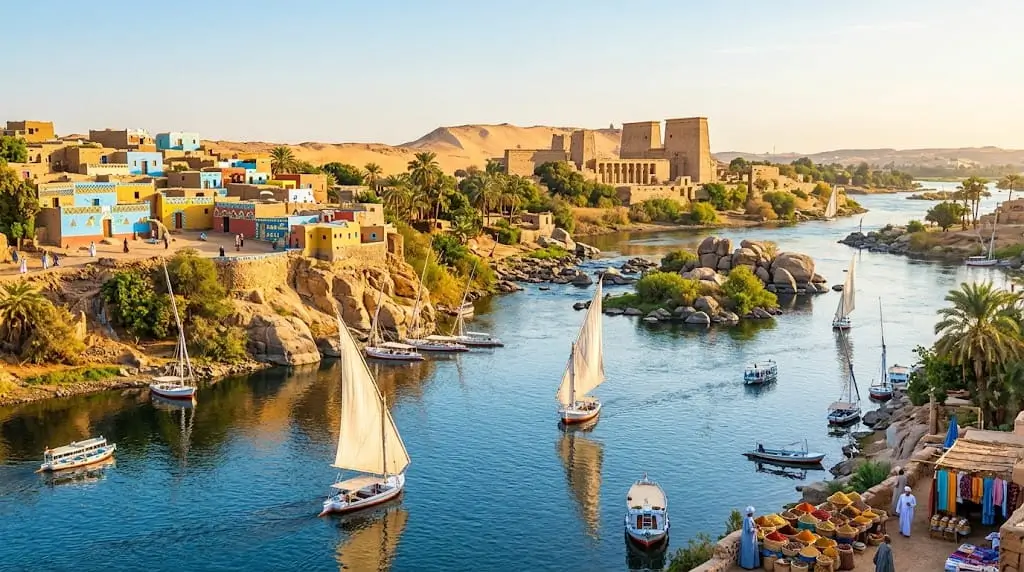
Welcome to the glorious gateway of ancient Africa. Aswan and Nubia offer a tranquil, sun-drenched escape from the bustling cities of the north. You can sail on the timeless Nile River aboard a traditional wooden felucca. Furthermore, you will discover magnificent ancient temples rescued from the rising waters of Lake Nasser. Our Aswan and Nubia tours connect you deeply with the vibrant culture of southern Egypt. Explore our carefully curated dynamic tour itineraries below to find your perfect southern Egyptian adventure.
Aswan serves as Egypt’s beautiful southern frontier. It has always served as the strategic gateway to the rest of the African continent. Consequently, the city boasts a brilliant blend of ancient Egyptian monuments and vibrant local traditions. The Nile River flows gracefully through massive granite boulders and lush green islands here. Therefore, Aswan feels entirely different from the busy streets of Cairo or Luxor. You will quickly discover a slower, more relaxed pace in this pristine region. This authoritative destination demands time and appreciation for its immense historical weight.
We have meticulously crafted diverse itineraries to showcase the absolute best of southern Egypt. You can select an immersive day trip to explore the immediate city limits. Alternatively, you might prefer an extended excursion deep into the desert. We arrange rapid express trips to remote monuments for travelers with limited time. Meanwhile, our multi-day Nile journeys offer a luxurious pace for those who wish to linger. Every option guarantees an unforgettable encounter with history through our specialized Aswan and Nubia tours.
Nubia stretches south from Aswan deep into modern-day Sudan. This ancient region once stood as a remarkably powerful kingdom in its own right. The Nubian people traded gold, ivory, and unfamiliar goods with the northern pharaohs for centuries. Moreover, they developed their own distinct culture, language, and architectural style. The desert landscape shaped their fierce independence and resilient character. Today, their rich heritage remains vibrantly alive across southern Egypt.
The history of Nubia features periods of immense imperial power. The Kingdom of Kush eventually grew strong enough to challenge the northern pharaohs directly. Consequently, these southern kings marched north and conquered all of Egypt during the 25th Dynasty. Historians widely refer to these powerful rulers as the Black Pharaohs. They successfully united the entire Nile Valley under one spectacular empire. You can still see their distinct architectural influence in the monuments scattered across the region.
Aswan contains some of the most impressive archaeological sites in the entire world. The magnificent Philae Temple sits gracefully on a beautiful island in the middle of the Nile. Ancient builders constructed this stunning sanctuary to honor the powerful goddess Isis. Visitors approach the island by motorboat, which creates a truly magical first impression. The grand stone colonnades rise dramatically from the blue waters of the river.
The survival of Philae Temple represents a modern miracle. The original island flooded completely when engineers built the first Aswan Dam. Therefore, an international team carefully dismantled the entire massive structure piece by piece. They successfully moved thousands of heavy stone blocks to a higher, safer island nearby. Consequently, walking through its sacred halls today feels like a victorious journey through time.
The ancient northern granite quarries hold an incredible secret. A massive stone monument lies resting permanently in the bedrock. Historians call this fascinating artifact the Unfinished Obelisk. It offers an unparalleled glimpse into the precise stone-working techniques of the ancient builders. You can clearly see the tool marks left behind by the laborers thousands of years ago.
If the workers had finished it, this obelisk would have broken all existing records. It would have stood as the heaviest single piece of stone ever carved by the Egyptians. However, a massive flaw cracked the granite during the carving process. The builders immediately abandoned the project and left it in the trench. Today, this massive failure provides our best evidence of ancient engineering methods.
Elephantine Island sits directly opposite the modern city center of Aswan. This strategic island served as the original border town between Egypt and Nubia. Ancient traders exchanged goods, gold, and ivory in its bustling markets. Furthermore, the island houses the ruins of the grand Temple of Khnum. The ancient Egyptians believed this ram-headed god controlled the crucial annual flooding of the Nile River.
You can also explore the famous ancient Nilometer on the edge of the island. Priests used this ingenious stone staircase to measure the exact height of the river each year. Consequently, they could accurately predict the upcoming harvest and set the national tax rates. Exploring Elephantine Island provides a deep understanding of how the river controlled the ancient economy.
High on the western bank of the Nile, ancient tombs dot the sandy cliffs. These rock-cut chambers belong to the powerful governors and princes of ancient Aswan. You must climb a steep, sandy staircase to reach the entrances. However, the magnificent view from the top makes the physical effort completely worthwhile. You can look out over the entire river valley and the golden desert beyond.
The interior walls of these tombs display incredibly vivid paintings. The artists depicted fascinating scenes of daily life, trading expeditions, and military campaigns in Africa. You will see illustrations of unfamiliar animals like giraffes, leopards, and elephants brought from the deep south. These colorful murals provide crucial historical details about Egypt’s relationship with its African neighbors.
No visit to southern Egypt is truly complete without experiencing Abu Simbel. Ramses the Great commanded his architects to carve these twin temples directly into a solid mountainside. Four colossal statues of the famous pharaoh aggressively guard the towering main entrance. These massive figures served as a deliberate warning to anyone approaching from the south. They powerfully projected the immense strength of the Egyptian empire.
The interior architecture features a brilliant astronomical alignment. The ancient engineers positioned the main sanctuary perfectly to catch the morning light. Therefore, the sun’s rays penetrate deeply into the temple to illuminate the statues of the gods twice a year. This incredible solar phenomenon still draws thousands of awe-struck visitors from around the world. We highly recommend booking our Aswan and Nubia tours to witness this majestic site in person.
The modern relocation of Abu Simbel remains an unparalleled triumph of global engineering. In the 1960s, the rising waters of Lake Nasser threatened to swallow the monuments forever. The newly constructed Aswan High Dam created a massive reservoir that flooded the ancient valleys. Consequently, UNESCO launched an urgent international campaign to save the heritage of Nubia. Fifty different nations contributed money, technology, and expertise to the monumental effort.
Engineers carefully cut the massive mountainside temples into thousands of movable blocks. They transported everything safely to higher ground and rebuilt the structures perfectly. They even constructed an artificial concrete mountain to mimic the original landscape. This unprecedented rescue mission successfully preserved Abu Simbel for future generations. It stands as a profound testament to international cooperation and human ingenuity.
Crossing the Nile River to visit a traditional Nubian village is a true regional highlight. The Nubian people are globally renowned for their exceptionally warm hospitality. Their charming homes feature bright, cheerful colors painted directly onto the exterior walls. Often, you will see complex geometric patterns and local desert motifs decorating the mud-brick architecture. The visual contrast against the yellow desert sand is simply stunning.
During your visit, you can stroll through the colorful local markets at your own pace. You will find fragrant spices, beautiful handmade crafts, and traditional woven baskets. Many local families enthusiastically welcome guests into their homes for a cup of sweet mint tea. Consequently, a village tour provides a deeply personal connection to the indigenous people. It perfectly complements the magnificent ancient monuments of the surrounding area.
The Nubian culture maintains a fiercely distinct identity from the rest of Egypt. They still speak their own ancient, unwritten language in their daily lives. Furthermore, they pass down their unique traditions strictly through oral storytelling and music. Their architectural style features beautiful domed roofs that naturally cool the interior rooms during the hot summers. This ingenious design perfectly adapts to the harsh desert environment.
Nubian artisans produce some of the finest traditional handicrafts in the entire country. The women weave intricate, brightly colored baskets using dried palm fronds. The men carve beautiful wooden objects and fashion distinct jewelry using brightly colored beads. Purchasing these authentic items directly supports the local village economy. It also provides you with a meaningful, handmade souvenir of your southern adventure.
The water actively shapes every single aspect of daily life in Aswan. Therefore, sailing represents the best way to experience the spectacular local landscape. You can easily board a traditional wooden felucca just before the golden hour of sunset. These graceful sailboats rely entirely on the wind and the river currents. They offer a completely silent, eco-friendly way to navigate the mighty river.
The gentle breeze will carry you smoothly past massive granite boulders and lush botanical gardens. This peaceful journey offers stunning views of the golden dunes rolling directly down to the water. You will watch the sky turn brilliant shades of purple, orange, and red. A relaxing felucca ride provides the ultimate antidote to the busy schedules of modern travel.
You might choose to venture south beyond the massive Aswan High Dam. Lake Nasser extends massively into the south toward the Sudanese border. This vast artificial reservoir hosts its own magnificent collection of rescued ancient temples. For instance, you can visit the beautiful Temple of Kalabsha situated right on the water’s edge. Roman Emperor Augustus originally built this massive sandstone structure to honor a local Nubian sun god.
A Lake Nasser cruise delivers an incredibly serene and exclusive historical adventure. Very few tourists take the time to explore this massive body of water. Therefore, you will often have the ancient sites almost entirely to yourself. You can sail peacefully past dramatic desert landscapes and spot migratory birds along the shores. This specialized cruise perfectly highlights the remote, untamed beauty of extreme southern Egypt.
Ancient temples certainly do not represent the only wonders to explore in Aswan. The Aswan High Dam stands as a monumental achievement of modern global engineering. Engineers completed this massive structure in the 1960s after a decade of intense labor. It successfully tamed the unpredictable annual flooding of the Nile River for the first time in history. Furthermore, it generated crucial hydroelectric power that modernized the entire Egyptian nation.
Standing at the very top of the dam provides an unforgettable perspective of the surrounding geography. You can look north toward the swiftly flowing natural Nile River. Then, you can turn south to see the seemingly endless blue expanse of Lake Nasser. The dam forever changed the physical landscape and destiny of modern Egypt. We always include this crucial modern site to give you a complete, authoritative understanding of the region.
The culinary landscape of Aswan offers unique flavors you will not find in Cairo. The local cuisine relies heavily on fresh fish caught directly from Lake Nasser. Chefs frequently bake the fish whole in rich tomato sauces spiced with local cumin and coriander. Furthermore, traditional Nubian meals often feature hearty stews made from fresh okra, spinach, and lentils. They serve these rich dishes alongside freshly baked, sun-dried flatbreads.
You must also experience the local beverages during your stay. Aswan is famous for its exceptionally strong, dark-roasted coffee infused with cardamom. Alternatively, you can enjoy a refreshing glass of cold karkadeh on a hot afternoon. The locals brew this vibrant, ruby-red drink from dried hibiscus flowers. It provides the perfect, tart refreshment after a long day of exploring ancient desert monuments.
Proper planning ensures a comfortable and deeply enjoyable southern expedition. Aswan features a truly extreme desert climate with virtually zero rainfall throughout the year. The summer months bring intense, punishing heat that can make daytime exploration exhausting. Therefore, the absolute best time to visit spans from October through April. The winter months offer brilliant sunshine, clear blue skies, and perfectly comfortable walking temperatures.
You should pack lightweight, breathable cotton clothing for daytime excursions. However, the desert temperatures can drop surprisingly low after the sun sets. Consequently, you must bring a warm jacket or sweater for evening felucca rides and early morning temple visits. Finally, highly comfortable walking shoes remain essential for navigating the uneven, sandy terrain of the archaeological sites.
We deliberately design every single itinerary to offer a seamless, authoritative, and deeply enriching experience. Our expert local Egyptologists understand the hidden historical nuances behind every single stone and village. Furthermore, we professionally handle all the complex logistical details on your behalf. You will never have to worry about coordinating motorboats, private desert transport, or historical site entry tickets.
We prioritize authentic local interactions and highly comfortable travel at all times. Whether you take a quick day trip to Abu Simbel or spend a full week exploring the region, we ensure your journey is flawless. Our deep, established connections in the local community allow us to offer truly unique cultural experiences. Book your adventure today and uncover the timeless, powerful magic of the Egyptian south.