Islamic Cairo & Coptic Cairo Heritage Day Tour Excludes
- Meals and Beverages: You pay for your own lunch at a local restaurant or coffee at Cafe Fishawis.
- Tipping (Baksheesh): Plan to tip your guide, your driver, and the local shoe-keepers at the mosques.
- Camera Fees: Bring extra cash. Some museum interiors or tripod usage require a small local ticket.
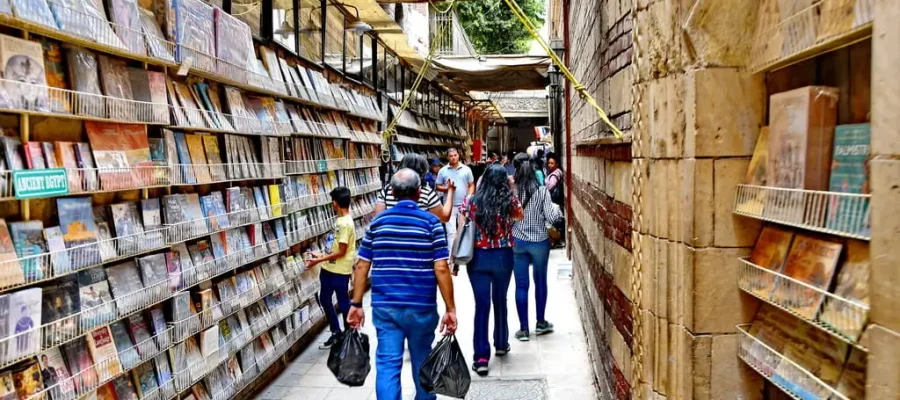
- Personal Purchases: You cover the cost of your souvenirs from the Khan el-Khalili bazaar.
Essential Tips for the Perfect Experience
Keep these practical tips in mind. They ensure a comfortable and enriching Islamic Cairo & Coptic Cairo Heritage Day Tour.
1. Dress Code and Modesty
This tour visits active Muslim, Christian, and Jewish places of worship. You must dress conservatively.
- For Women: Wear long trousers or skirts that reach the ankles. Choose tops that cover your shoulders and chest. Mosques require women to cover their hair. Pack a lightweight scarf in your day bag.
- For Men: Wear long trousers. Mosques and churches strictly forbid shorts. You can wear T-shirts, but they must cover your shoulders.
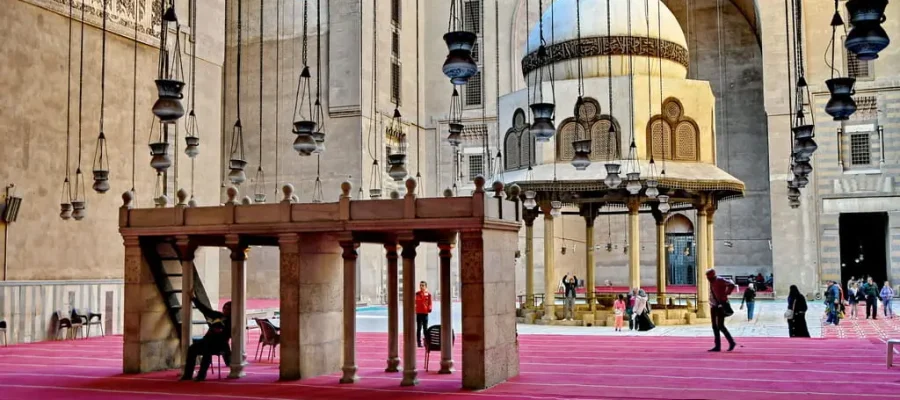
- Footwear: You must remove your shoes before entering any mosque. Wear slip-on shoes or pack a pair of clean, thick socks. This keeps your feet comfortable on the mosque carpets.
2. Photography Guidelines
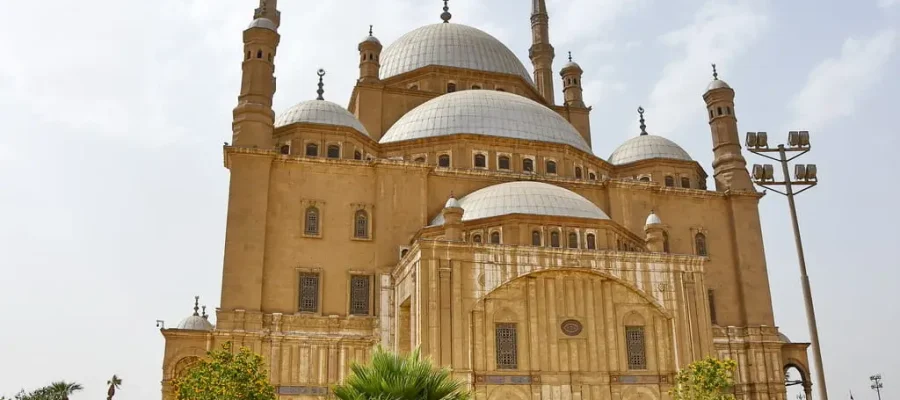
Cairo offers a photographer’s dream. Intricate geometric tile work, dappled bazaar light, and soaring minarets provide endless inspiration.
- Flash Photography: Turn off your flash. Authorities ban flash photography inside crypts like Abu Serga and museums to protect ancient pigments.
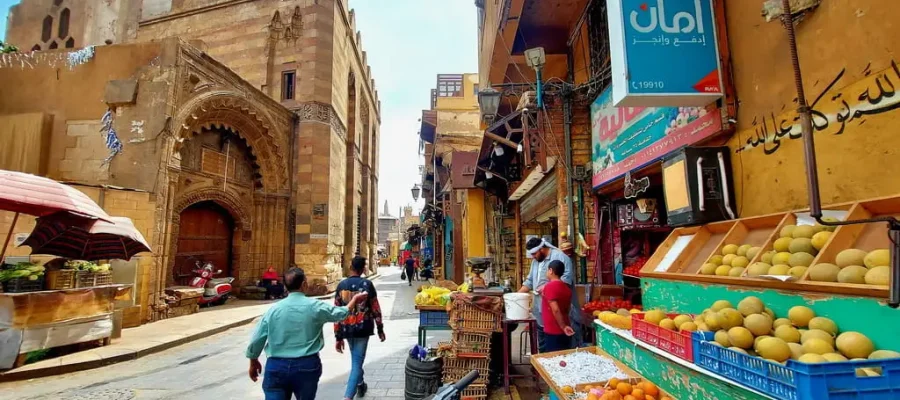
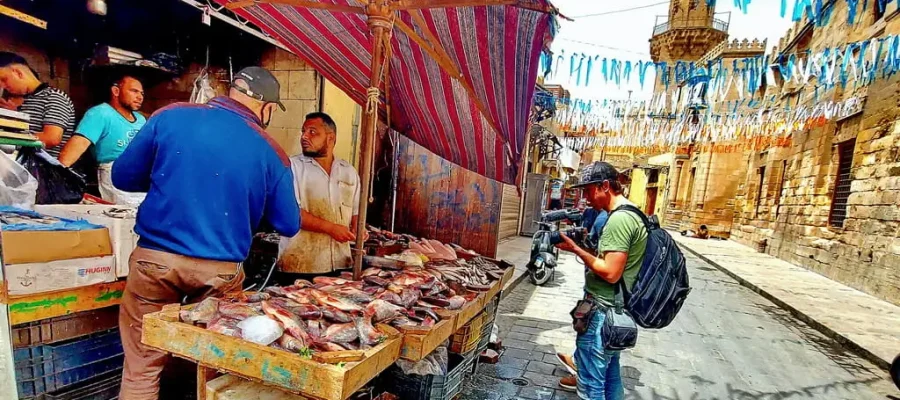
- Respecting Locals: Always ask permission before photographing a merchant, a worshipper, or a local on the street. Smile politely and gesture with your camera. Locals usually respond with a warm nod.
- Tripods: Leave the tripod behind or get a special permit for major sites like the Citadel. Stick to handheld photography to avoid delays.
3. Timing and Weather
- The Best Time to Visit: Plan your walking tour between October and April. The weather stays cool and pleasant. If you visit during the summer months from May to September, start your tour at 8:00 AM. An early start beats the intense midday heat.
- Fridays: Avoid scheduling your Islamic Cairo & Coptic Cairo Heritage Day Tour on a Friday. Muslims observe Friday as their holy day. Mosques close to tourists during the mid-day congregational prayers (Jumu’ah). Furthermore, Islamic Cairo draws overwhelming crowds. Sundays also bring heavy traffic to Coptic Cairo as worshippers attend church services.
4. Culinary Delights Along the Way
A heritage tour requires energy. Take the chance to taste authentic Egyptian street food.
- Koshary: Try Egypt’s national dish. Cooks mix rice, macaroni, lentils, and chickpeas, then top it all with spicy tomato sauce and crispy fried onions. This vegan meal tastes delicious, costs little, and arrives fast.
- Fiteer Baladi: Locals call this Egyptian pizza. Bakers craft a flaky, layered pastry. They serve it savory with cheese and meat, or sweet with honey, cream, and powdered sugar.
- Sugarcane Juice (Asab): Watch small shop owners press fresh sugarcane. Drink this cold, incredibly refreshing juice. It provides a quick energy boost for walking Al-Muizz Street.
Deeper Dive: The Architectural Evolution of Cairo
Understand the distinct architectural languages of these different districts to truly appreciate the Islamic Cairo & Coptic Cairo Heritage Day Tour.
Coptic Architecture: Symbols in Stone and Wood
Ancient Egyptian and Roman-Byzantine styles heavily influence Coptic architecture. Yet, it carries its own unique, modest charm. Coptic churches display unassuming exteriors. Builders designed them this way as a historical necessity. Drawing attention posed great danger during periods of persecution. Therefore, the builders saved the true beauty for the interior.
- The Ostrich Eggs: Look up at the lamps hanging before the sanctuary when you visit the Hanging Church or Abu Serga. You will spot ostrich eggs suspended above them. Coptic symbolism uses the ostrich egg to represent the Resurrection. It also signifies the constant watchful eye of God, since an ostrich never takes its eyes off its incubating eggs.
- Wood Carving and Inlay: Coptic artisans mastered woodwork. They carved the iconostases (wood screens separating the altar from the congregation) using interlocking geometric pieces of cedar. They often inlaid these screens with ivory or ebony. This brilliant technique lets the wood expand and contract in the heat without cracking.
Islamic Architecture: The Language of Geometry and Light
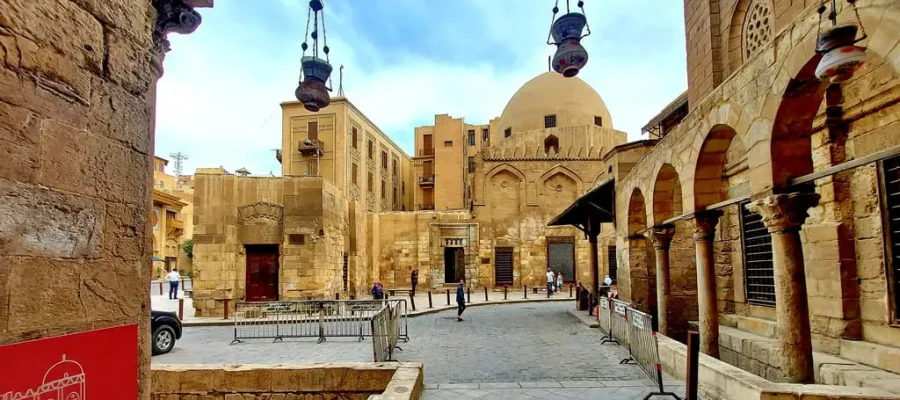
The architecture shifts to monumental scales as you transition to Islamic Cairo. Rulers designed these structures to project the power and piety of the caliphs and sultans. Islamic law prohibits depicting sentient beings in religious art. Therefore, Muslim artisans developed three distinct forms of decoration that you will spot everywhere on this tour:
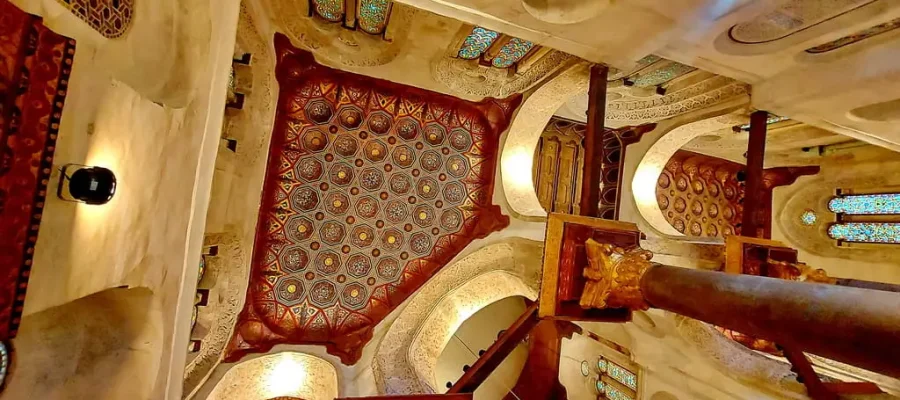
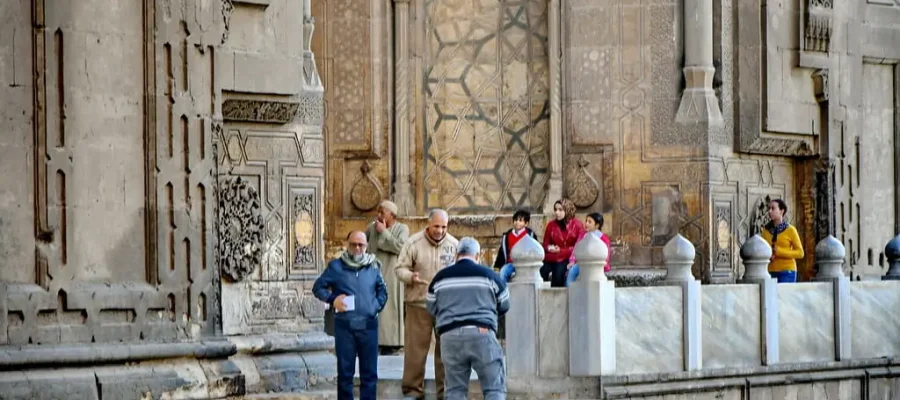
- Geometric Patterns: Complex stars and polygons reflect the infinite nature of the universe.
- Arabesque: Flowing, intertwining vegetal and floral motifs represent the life-giving nature of water and the gardens of paradise.
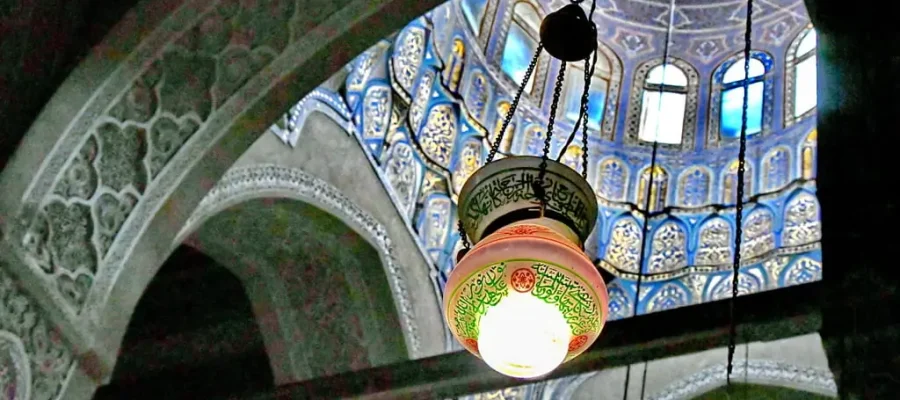
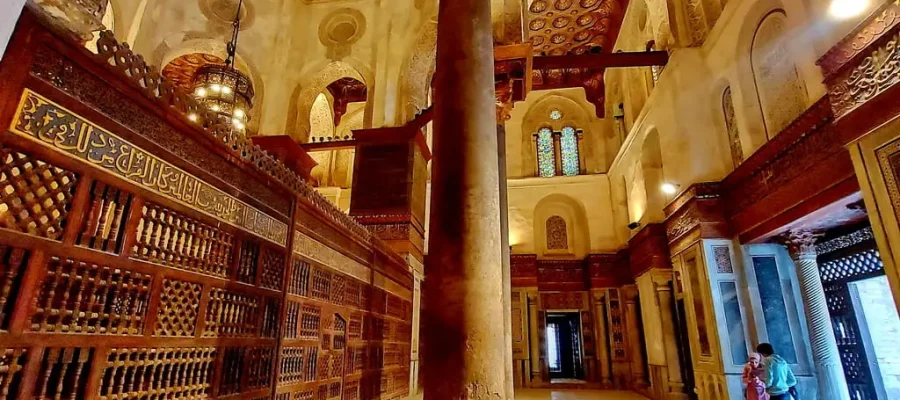
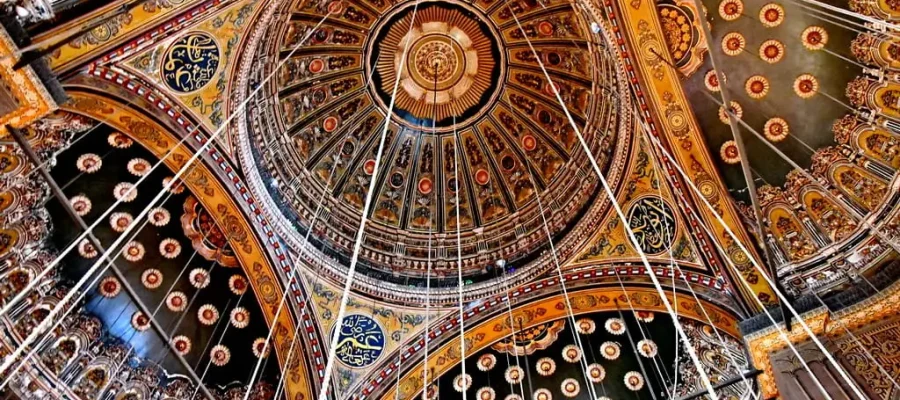
- Calligraphy: Artisans employ sweeping Arabic scripts, usually Quranic verses. They use this text not just for reading, but as pure visual art. These elegant lines frame doors, domes, and mihrabs (prayer niches).
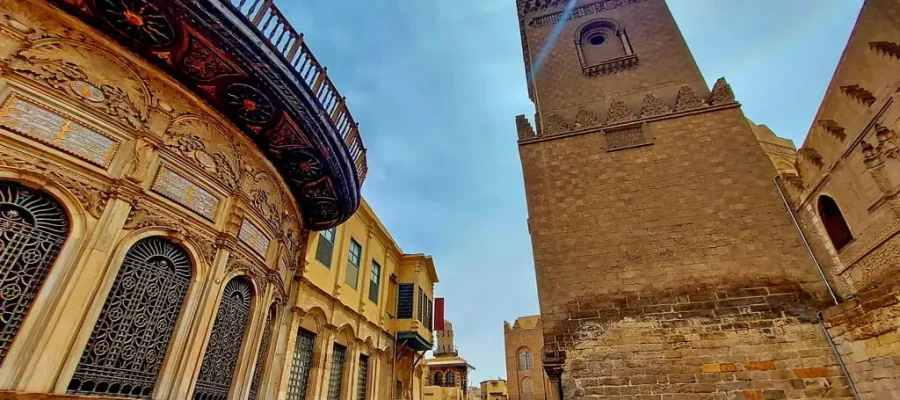
The Mamluk era (1250–1517) gave us Al-Muizz Street and Sultan Hassan. Artisans from this period gained fame for their spectacular stone carving. They built towering minarets with multiple balconies. They also perfected muqarnas—intricate, honeycomb-like stalactite vaulting that transitions a square room into a round dome.
A City Woven from Faith and Stone
An Islamic Cairo & Coptic Cairo Heritage Day Tour offers more than a checklist of historical monuments. It delivers an immersive, sensory experience. This journey bridges thousands of years of human history.
You explore the hushed, incense-scented crypt where the Holy Family hid and climb to the dizzying heights of the Saladin Citadel and look out over a sea of minarets. You absorb the scholarly tranquility of the Sultan Hassan Madrassa. Finally, you dive into the vibrant, chaotic energy of the Khan el-Khalili market. This tour encapsulates the very essence of Egypt.
Dedicate a day to exploring the intricate alleys of Old Cairo and the medieval grandeur of Islamic Cairo. You gain a profound understanding of this ancient metropolis. You discover its diverse, resilient, and deeply spiritual heart. This journey stays in your memory long after you leave the city of a thousand minarets.